Organic farming leads to adaptations in the genetic material in plants
Plants adapt genetically over time to the special conditions of organic farming. This has been demonstrated in a long-term study conducted at the University of Bonn.
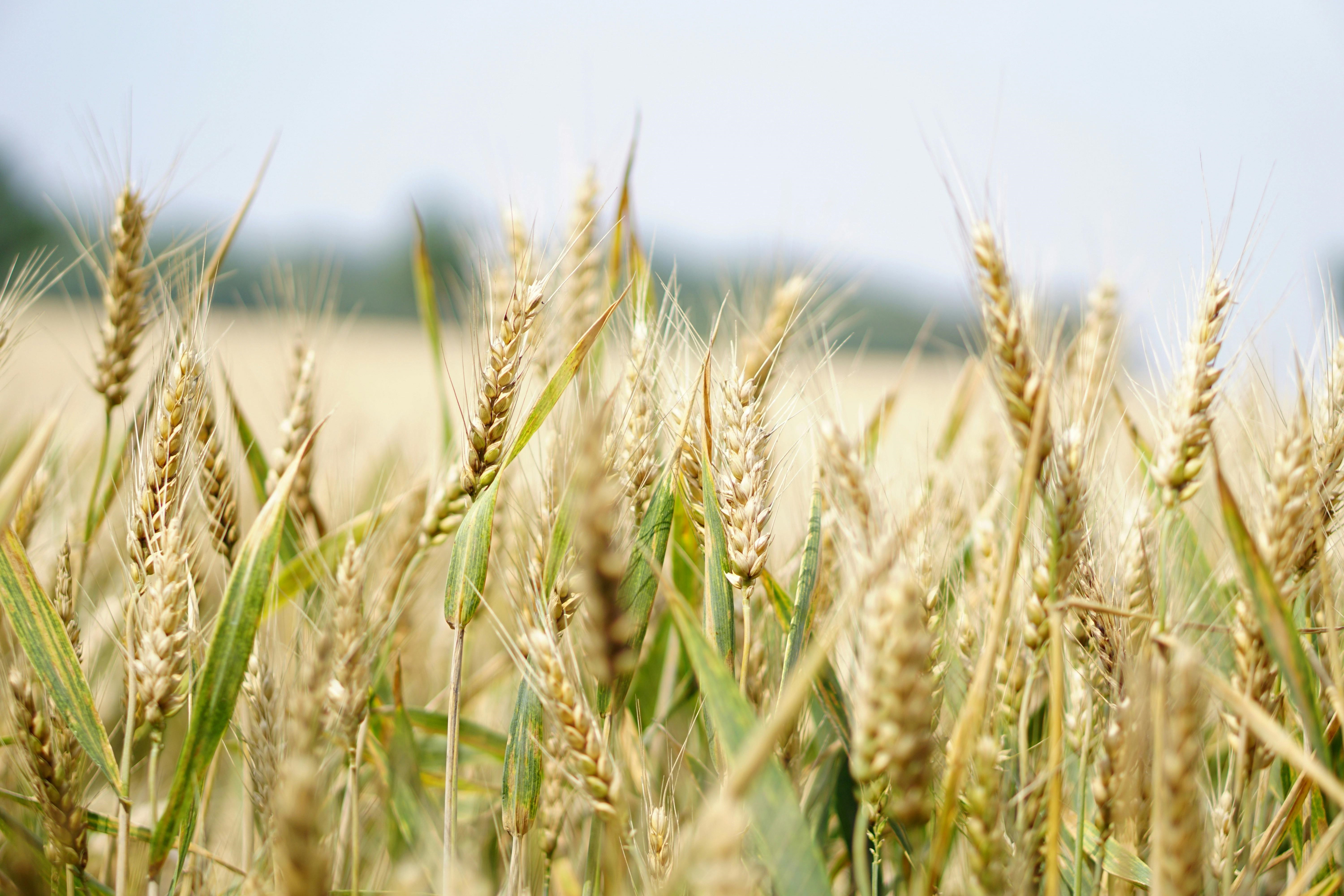
The researchers planted barley plants on two neighboring fields and used conventional farming methods on one and organic methods on the other. Over the course of more than 20 years, the organic barley was enriched with specific genetic material that differed from the comparative culture.
The results have now been published in the journal Agronomy for Sustainable Development.
The study began in the late 1990s under the direction of Dr. Jens Leon. His research group wanted to investigate the effects that farming conditions have on genetic material in plants.
"We first crossed high-yield barley with a wild form to increase genetic variation," says Léon. "We then planted these populations on two neighboring fields so that the barley grew in the same soil and under the same climatic conditions."
The only difference was the farming method. Conventional farming was used in one of the fields where the researchers used pesticides to combat pests, chemical agents to eliminate weeds and mineral fertilizers to help ensure a good supply of nutrients.
The researchers took a more ecological sound approach in the other field: no pesticides, combating weeds using mechanical methods and fertilizing the soil with manure from stables.
The researchers also analyzed the genomes of the conventionally and organically farmed plants on a yearly basis. Every single gene can exist in a variety of different forms called alleles. The frequency with which certain alleles arise in a population can change over generations. Environmental conditions are one factor that plays a role in this process.
The researchers identified two interesting trends in their genetic tests: In the first 12 years, the allele frequency in the barley changed in the same way on both fields. However, the allele frequencies of both cultures diverged increasingly in subsequent years. In particular, the barley grown using organic farming methods developed gene variants that were less sensitive to a nutrient deficit or lack of water—i.e., alleles that influenced the structure of the roots.
"One reason for this is presumably the strong variations in the availability of nutrients in organic farming," says Léon.
The conventionally farmed barley also became more genetically uniform over time, meaning that the genetic material in the individual plants grown on the field became more and more similar from year to year. However, the organic barley remained more heterogeneous.
The variability of the environmental forces acting on the plants seems to lead to greater genetic heterogeneity. "As a result, the plants are better able to adapt to these types of changes," says Léon.
Overall, the results demonstrate the importance of cultivating varieties optimized for organic farming. As their genetic makeup has adapted to these conditions, they will be more robust and deliver higher yields.