European Rural Parliament 2022: Rural areas need a new development paradigm
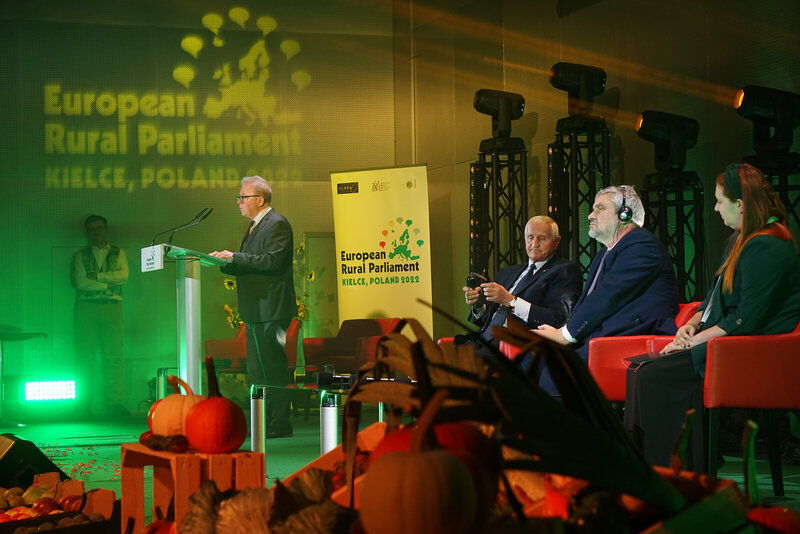
Europe urgently needs to build coherent policies, programs and traceability mechanisms to ensure a sustainable future for rural areas. This is one of the main messages from the 5th meeting of the European Rural Parliament (ERP), which took place in the mid of September in the Polish city of Kielce. Over 350 participants from 39 European countries - representatives of rural areas, civil organizations, researchers, entrepreneurs, representatives of national and European institutions, discussed the vision for the future of rural areas, good examples and challenges.
There is a need for adequate and flexible policies to be implemented by governments at all levels. These policies should reflect the European Commission's long-term vision for rural areas until 2040, encourage and promote productive activities such as housing and road construction, education centers, health institutions, digital infrastructure, leisure and meeting places, but should also support the small and medium-sized businesses that are vital to rural areas. It’s the job opportunities that can attract young people back to rural areas. In order to be effective, member states must build and implement working mechanisms for monitoring and evaluating the activities of local authorities and rural development programs.
Another important conclusion from ERP 2022 is the need for proactive action by the rural communities themselves. In order to achieve sustainable rural development, rural communities should demand this from the local government, as well as work together in the direction of achieving the needs. Transformation must come from the initiative and action of the residents of the rural areas, as they best understand what is truly important to them.
“The EU has repeatedly pushed community initiatives (…) for example through the promotion of local development partnerships within the framework of LEADER, Community Led Local Development, Smart villages, ERASMUS, URBAN Community Initiatives, and more. However, many of these initiatives have been sidelined, co-opted or exhausted by national governments and weakened by ever-increasing bureaucracy at the national or European level. It is time to acknowledge and further boost the competence and creative energy of civil society and of voluntary work to cope with the many crises Europe faces.”, writes the president of ARC 2020 Platform – Hans Lorenz.
Read the full declaration of ERP 2022
A Good Example
Nowadays, many rural areas in Europe demonstrate good examples of development thanks to the joint work with Local initiative groups (LAGs), village councils, as well as through implementation of the Smart villages Strategy. This is also the case of the Polish town of Kielce, where local initiative groups work in intensive cooperation with the community to create new jobs and improve the area.
With a population of a bit under 200,000 people, the municipality and its residents have united around the observance of collective norms and values - protection of the natural resources of the region, reduction of social tension between different groups and integration of minorities, provision of equal opportunities for career development for women, active inclusion of young people in the life and policies of the region, support for community leaders and entrepreneurs, etc.
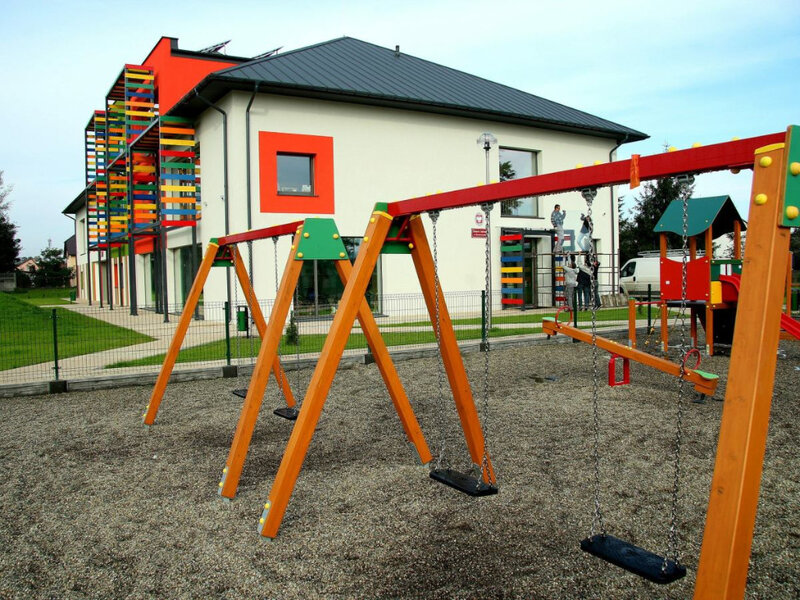
One of the foundations of rural development is the creation of favorable working conditions for local poeple. This becomes especially important in relation to young women who often try to combine their professional and family life. Development in this area is not only through supporting entrepreneurship , creation of new companies and attracting investment, but also in the construction of appropriate social infrastructure to support the return of women back to the labor market. That is why the municipality, together with European funds, is financing the construction of two new modernly equipped kindergartens, also suitable for children with special needs. This good example corresponds to the active participation in the development of the area, who identify the community and, together with the municipality, manage to find a solution for it.
Why rural areas are important?
Over 200 million people in Europe live in rural areas - almost 1/3 of the population of the entire continent. They play a key role for the sustainability of Europe, for achieving food security, for the economy of both the EU and member states. With each passing year, the challenges before them increase - climate changes, bringing with them a number of social and economic changes, the loss of young people of working age, depopulation, etc. Preserving the diversity of rural areas, their resilience and resources is critical to building a strong and independent Europe.
Read here more information about the European Rural Parliament