Challenges, needs and obstacles related to multiple use of pasture territories (summary of the second meeting of partners and members of the DIGI-Rangelands network)
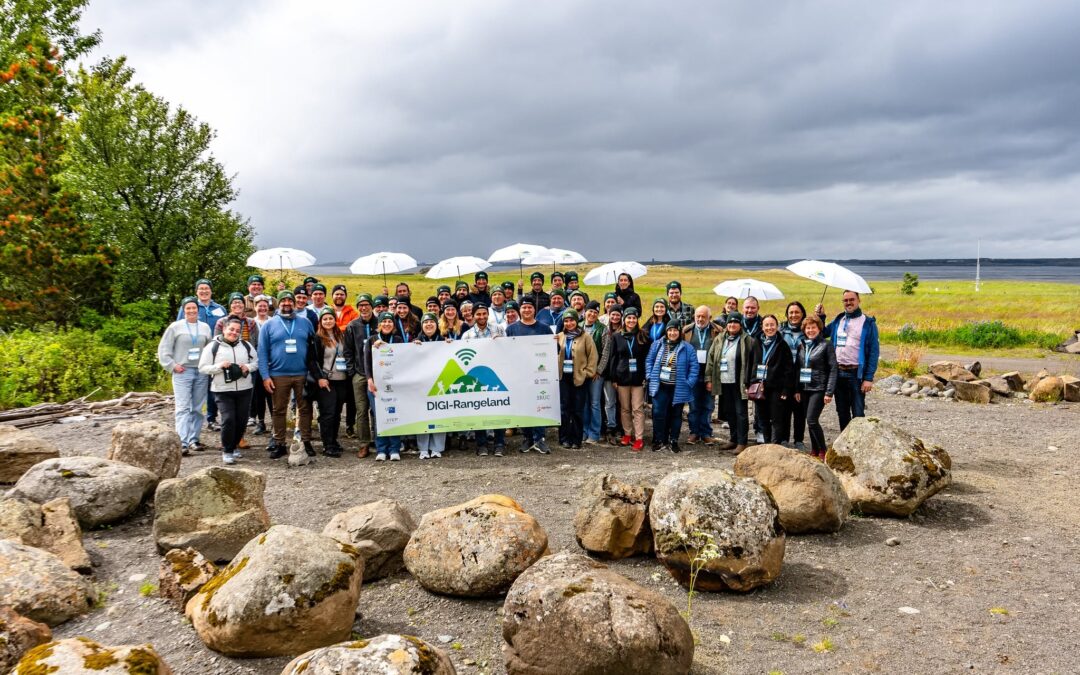
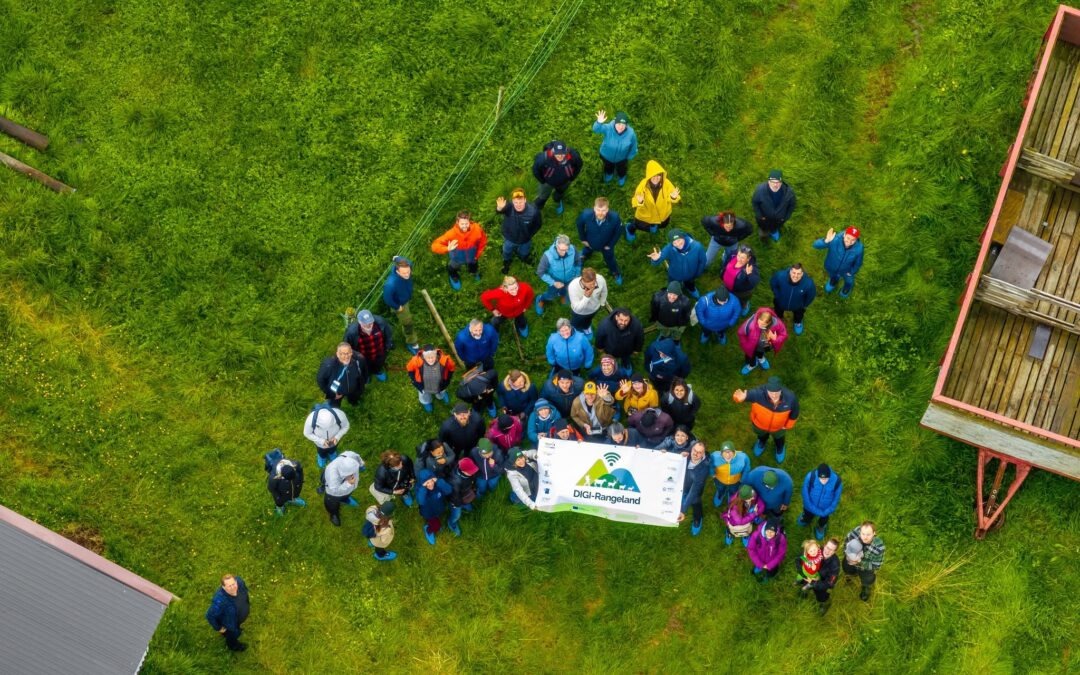
The second transnational workshop of the DIGI-Rangeland project took place in Hvaneiri, Iceland, at the end of June. The three-day event was organized by the Agricultural University of Iceland and brought together researchers, farmers, equipment and technology providers and project partners to exchange knowledge and experience on the role of digital technologies and innovations in rangeland management.
The organizers opened the event with an overview of Iceland’s livestock systems, focusing on sheep farming, natural pasture resources, and management practices that have shaped Icelandic agriculture for generations. The presentations highlighted the importance of extensive summer grazing on natural pastures, as well as the opportunities and challenges associated with managing these vast landscapes.
The challenges related to the multifunctional and joint use of pasture areas were discussed. Participants were also informed about the data from the project's stakeholder survey on the perceptions, needs and expectations of farmers and stakeholders regarding digital technologies.
The first day ended with an assessment of the implementation of digital tools and an introduction to GróLind and Iceland's long-term national vegetation and soil monitoring program.
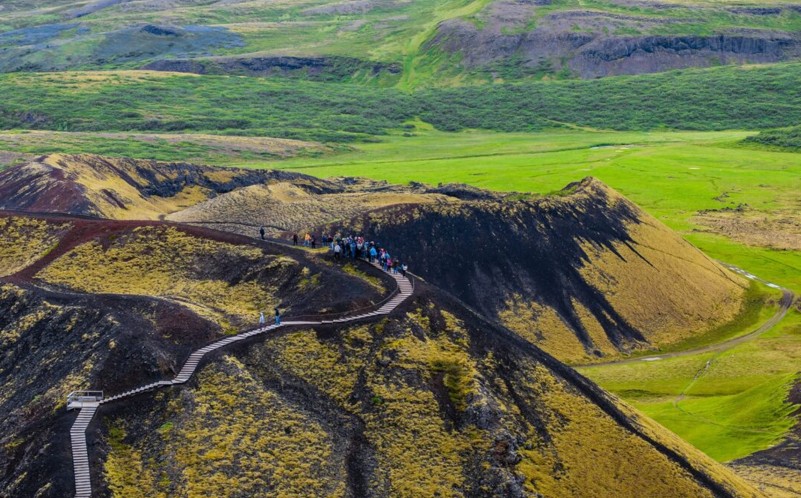
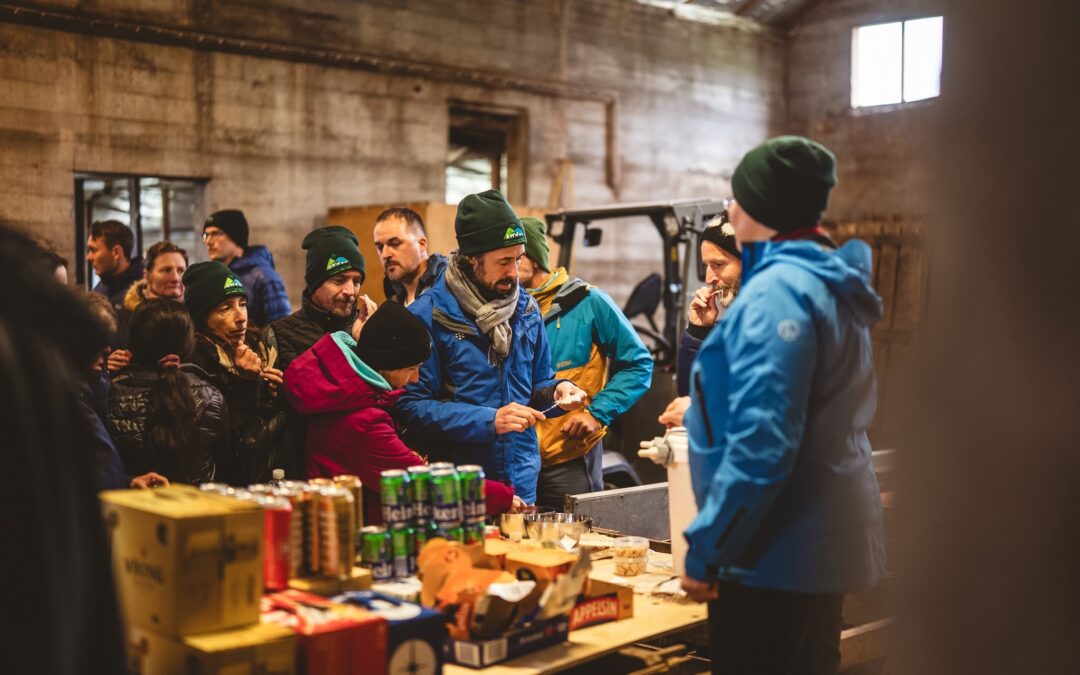
The second day was dedicated to farm visits to introduce participants to Icelandic sheep farming. GPS-based solutions for tracking farm animals were presented.
The first visit was to the Hestur mountain, home to the university’s research sheep farm. Hestur is the Icelandic innovation hub for the project and combines research activities with large-scale production, raising nearly 500 breeding ewes. Participants looked at several digital technologies used in sheep farming, including:
- Electronic Identification (EID) systems.
- Automated monitoring of live weight and feed intake.
- Semi-automated weighing systems using electronic ear tags.
- GPS tracking technologies for livestock monitoring.
- Drone applications for observing grazing animals.
The second visit took participants to Hrisar, a sheep farm recently taken over by a young farming couple. Activities on managing different types of pastures and the challenges associated with extensive grazing systems were discussed. The visit provided valuable insights into how young farmers embrace innovation and the role that digital tools can play in improving efficiency, decision-making and sustainability.
The last farm was in Breka, located in a more mountainous area where extensive summer grazing takes place on vast natural pastures. Raising nearly 400 breeding ewes, the farm faces significant challenges during the annual autumn culling period. Participants learned how GPS tracking and drone technology can help locate and cull animals in difficult terrain.
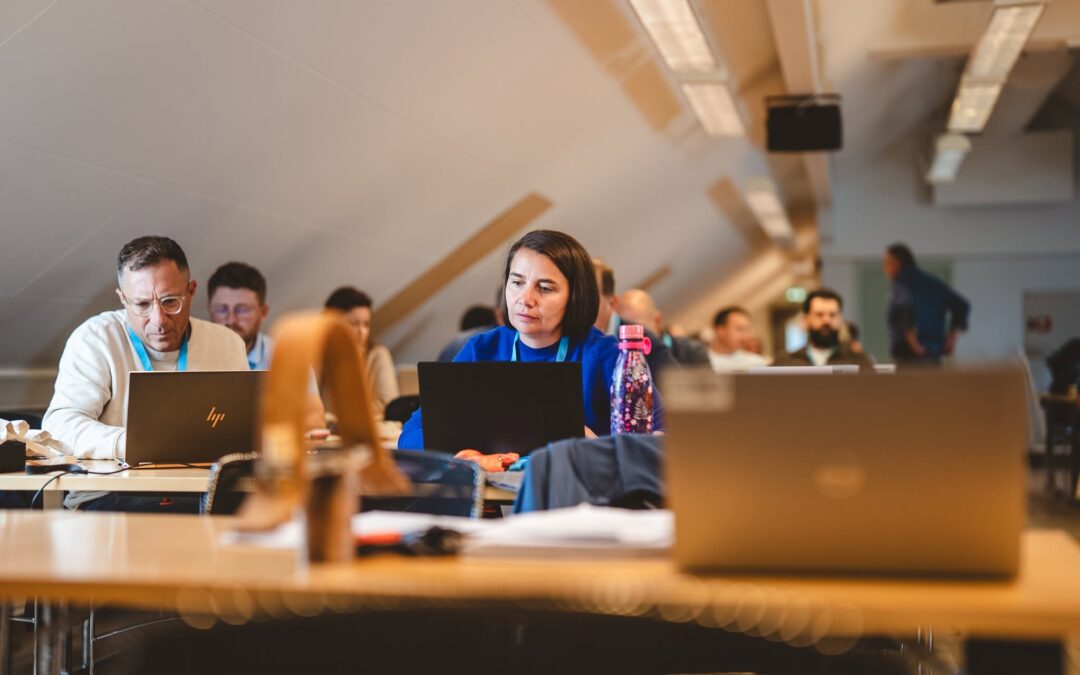
The final day focused on collaborative learning and future project activities.
Participants took part in a series of interactive workshops designed to encourage knowledge exchange across countries and stakeholder groups. Sessions included:
- Stakeholder presentations from different partner countries.
- Collaborative exercises addressing land-use challenges.
- Thematic discussion tables exploring common issues across European rangelands.
- Dissemination planning and communication activities.
- Feedback from project testing activities.
The three-day workshop demonstrated once again how valuable the exchange of experiences is when farmers, researchers, advisors and technology providers from different countries come together in one place. The Icelandic examples highlighted both the unique characteristics of northern pasture systems and the common challenges shared across Europe.
The event aligns with the main goal of DiGi-Rangeland: adopting practical digital solutions that help farmers and land managers make better decisions related to improving the sustainability and ensuring the long-term viability of European pasture systems.
As the project continues, the knowledge gathered during the workshop in Iceland will contribute to the development and dissemination of innovative approaches that can benefit pastoral communities in the project partner countries.