Solutions for restoring Europe’s agricultural ecosystems
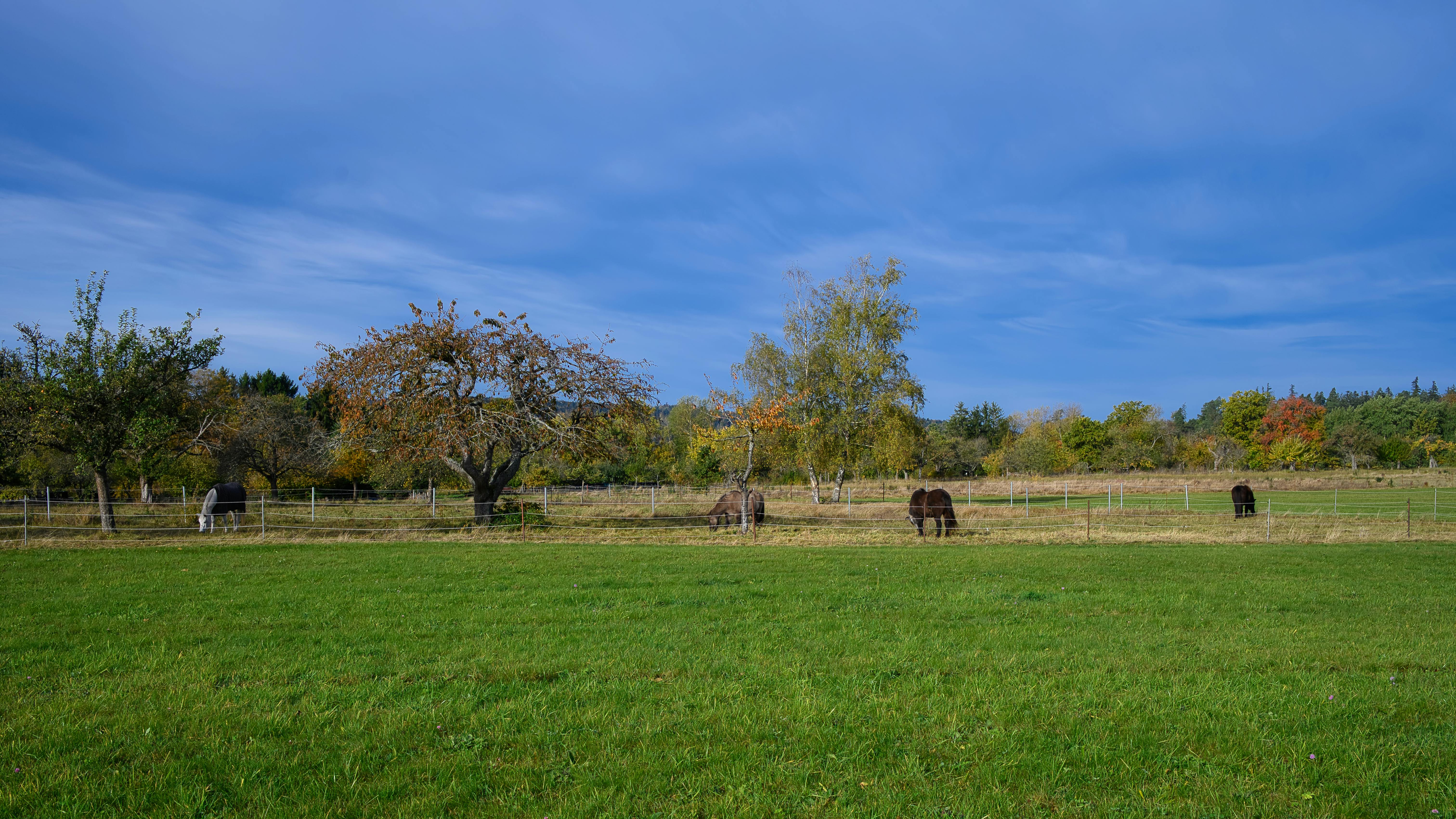
Food production is one of the vital human activities most directly interacting with and affecting nature. Agriculture relies on essential natural processes such as pollination and soil formation. Biodiversity supports the resilience of agriculture and food security. Functioning, healthy ecosystems are also important contributors to climate change mitigation and adaptation.
The intensification of agricultural production has led to biodiversity loss. Agriculture is the main source of pressure on habitats and species. Two-thirds of the EU’s semi-natural habitats dependent on biodiversity-friendly agricultural management are classified as in ‘bad’ conservation status.
A clear strategy is needed to successfully restore nature on farmland while yielding efficient and resilient food production to support food security. This strategy needs to identify and apply farming practices that most effectively support biodiversity under different farming systems in different regions across Europe. Conversion to biodiversity-friendly farming practices must be part of a systemic transformation, which involves moving away from ‘business as usual’ and rethinking the relationships between food systems, human well-being and nature.
The agricultural sector can employ three approaches to conserve and restore agro-ecosystems:
Reduce pressures on biodiversity and manage soil and water sustainably
Reducing pollution and other pressures assists ecosystem recovery within and beyond agro-ecosystems, including for soil, freshwater and marine ecosystems. Ecosystem recovery, in turn, enhances ecosystem services that benefit agricultural production. Therefore, reducing these pressures increases nature’s capacity to contribute to the resilience of sustainable, biodiversity-friendly agriculture.
(Re)-establish multifunctional, biodiverse agricultural landscapes including semi-natural habitats and landscape features such as tree lines, hedges and grass margins
Creating landscape features in agricultural landscapes not only provides additional habitats and resources for species but also increases the connectedness of the surrounding (semi-)natural habitats. This also enhances soil health and ecosystem services beneficial for agricultural production.
Maintain or restore semi-natural habitats
A wide range of farmers manage biodiversity- and carbon-rich habitats. These include habitats protected under the EU’s Habitats Directive like grasslands, heathlands, wooded pastures, traditional agro-forestry systems and orchards. Maintaining or reviving biodiversity-friendly agricultural management is crucial to protect and restore species and habitats that are dependent on adequate agricultural management.
Combining the three approaches to conserve and restore agro-ecosystems helps to maximise restoration benefits (Tscharntke et al., 2021). Integrated systems like agro-ecology incorporate these approaches in a coherent way. Agro-ecological practices can make food production more resilient and sustainable. They can increase efficiency, diversify farming and income sources, and mitigate the risks related to climate change (Mouratiadou et al., 2024).
To ensure positive medium to longer-term trends in both biodiversity benefits and productivity, more quantitative evidence is needed to understand the trade-offs and identify the best practices in different pedoclimatic and socio-economic conditions. For example, trade-offs related to organic farming include usually lower crop yields compared to conventional systems (EC, 2023); however, the potential reduction in yield can be offset, at least partially, by enhanced ecosystem services and improved soil health (Schrama et al., 2018). In the EU, funds for research on organic farming and agro-ecology have been boosted and the land under organic farming has been increasing.
The full article you can read on the link: https://www.eea.europa.eu/en/analysis/publications/solutions-for-restoring-europes-agricultural-ecosystems