Meat and milk from grass-fed ruminants are richer in Omega-3 and vitamins
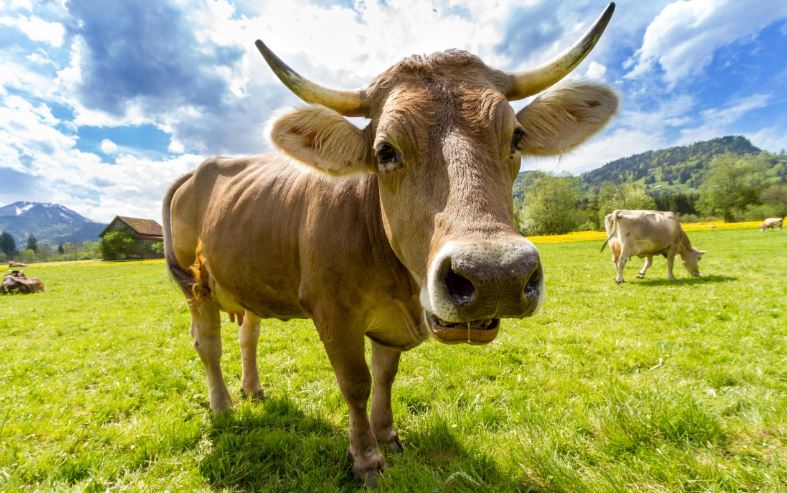
Meat and milk from grazing ruminants in high mountain pastures contain the highest amount of Omega-3 fatty acids and vitamins A and E. Products of such origin are the healthiest for the human body, but also represent the best and humane practice for livestock feeding. That is why it is extremely important to preserve the highland pastures of high nature value.
You've probably heard the popular phrase that we are what we eat. There is a lot of truth in this cliché - our health largely depends on the food we eat. Although large supermarket chains are starting to lead more and more sustainable practices in sourcing organically produced products, it is still very difficult to buy products that really have high qualities and are good for us. This is especially true for meat and milk, as these foods are produced in industrial settings to meet the needs of the population. Animals, fed with feed mixtures that do not allow them to synthesize substances important for health.
Dr. Leiber, an expert in animal nutrition and is currently co-head of the Department of Livestock Sciences, and the co-leader of the Animal Nutrition Group at FiBL Switzerland shares:
"Milk and meat products from grass-fed ruminants are healthier than products from animals fed with other feeds such as corn, soy, and specialty compound feeds and mixes."
Dr. Leiber's claim is based on years of work and analysis of studies from across Europe. He was a special guest speaker on this topic at a webinar held on January 31 with NGOs and farmers. During the seminar, the animal nutrition expert presented several studies to support his conclusions.
The first benefit cited by Dr. Leiber is the higher content of Omega-3 fatty acids. The products of animals fed with conventional mixtures are dominated by Omega-6 fatty acids, which are also important for health, but are found much more often in a normal human diet.
Second, higher levels of vitamin E and vitamin A are reported.
The difference is in the way the ruminants are fed, but also in the place of feeding. Grazing ruminants take in their diet, in addition to grass, secondary plants such as herbs, small fruits, roots and others. Substances from these derivatives are extremely important, because they help the animal to preserve Omega-3 fatty acids, which are otherwise broken down and lost in the rumen. The plant biodiversity in the pastures, especially in the mountain pastures (above 2000 m), has helped in a positive aspect for the evolutionary process in ruminants, as it helps the biochemical diversity in the ruminant's organism.
Watch Dr. Leiber's full lecture at the link:
The webinar is part of the activities of the pan-European project "Agroecological Transect", and the Society for Territorial and Environmental Prosperity (STEP) is also a part.