CAP 2026: Where are discussions in Brussels at?
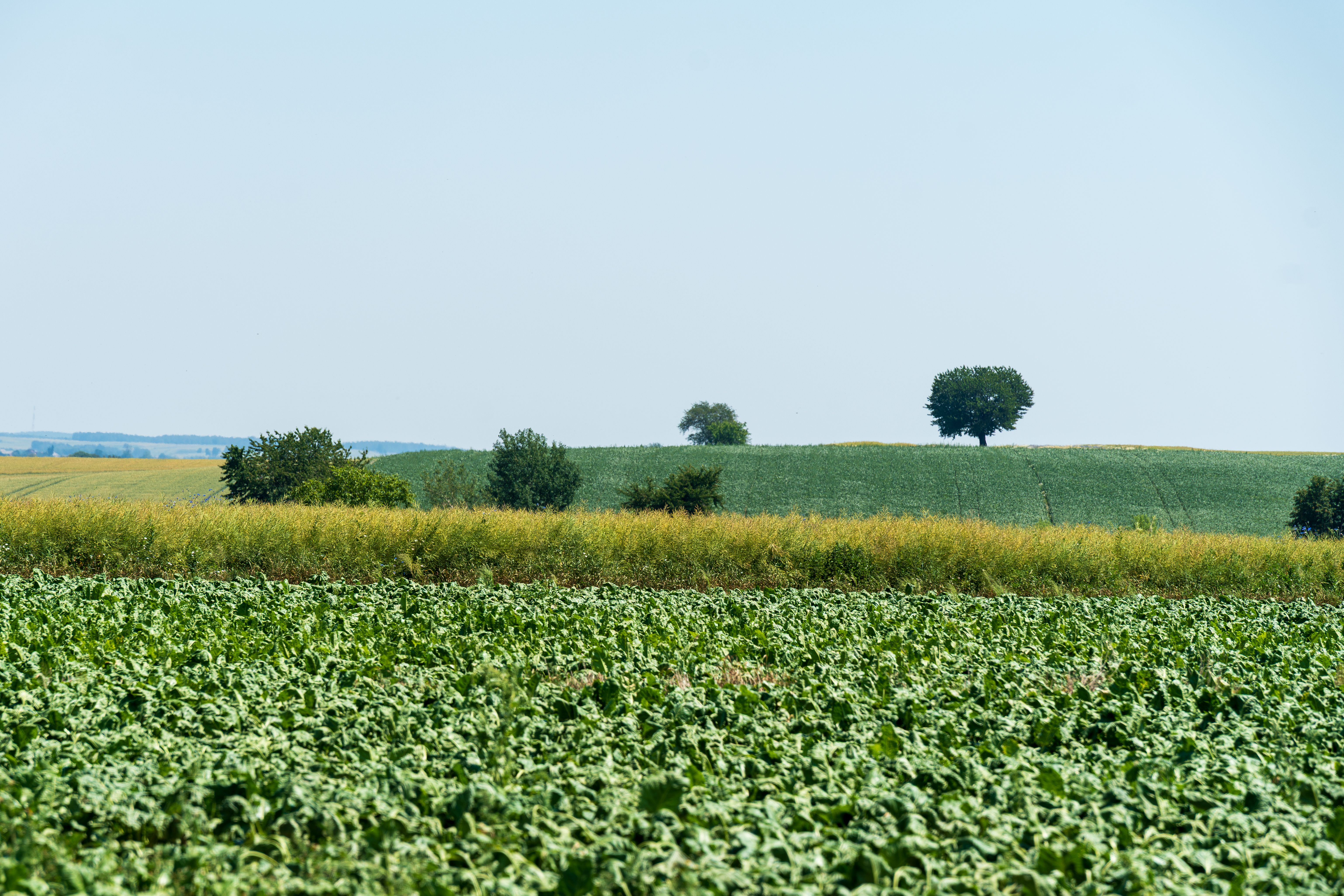
The reform of the Common Agricultural Policy (CAP) due to take place in 2027 will shape the next decade for food and farming in the EU. Here are the key discussions starting in the second half of this year.
The text is adaptation from an article published on ARC 2020.
The European Commission's decision to restructure the CAP funding programs, pooling the funds into one large cash fund, represents the biggest reform of agricultural policy in decades. Rather than maintaining CAP as a distinct policy with its familiar two-pillar structure, it would fold much of it into an €865 billion broader package of National and Regional Partnership Plans (NRPP), to be doled out by member states via national plans as they see fit. For example, money for agriculture will be together with the money for cohesion and migration, defense and climate change resilience.
The Commission argues this will simplify administration, reduce duplication and give member states greater flexibility to tailor spending to national needs. Critics see something rather different: the dilution of the CAP as a genuinely common policy, weaker democratic oversight and increased risks that environmental and rural development funding will lose out to more politically pressing priorities. Environmental organisations have also raised concerns that the proposal weakens the CAP’s green architecture. Environmental conditionality disappears, while no dedicated budgets are earmarked for biodiversity or climate measures.
With negotiations taking place in a much less Green Deal-friendly political climate than the last reform, expectations for stronger environmental safeguards are lower.
The Budget Battle
Discussions over the €2 trillion Multiannual Financial Framework are proving particularly difficult.
At June’s European Council summit, leaders failed to rally behind the Commission’s proposal, leaving negotiations over both the overall budget and the CAP allocation unresolved. The current Irish presidency is expected to reach a revised compromise around September or October.
Member states have broadly accepted the principle of integrating CAP into the wider NRPP architecture, but many continue to disagree over how much funding should ultimately be set aside for farming. Meanwhile, the European Parliament has already called for a significantly larger and more clearly ringfenced agricultural budget, setting up an institutional clash long before trilogue negotiations begin.
And questions about financing environmental measures and the future of rural development depend on how much money will ultimately be available.
The Political Fault Lines
There are also intense discussions around the definition of an “active farmer” - whether retired farmers should continue receiving direct payments, and how funding should be better targeted towards younger farmers and smaller holdings.
Other disputes concern the future design of national plans, the balance between flexibility and accountability, and how transparent Member States will have to be in allocating funds. The more discretion governments receive, the greater the concerns from civil society groups about consistency, oversight and maintaining common EU standards to protect against a race to the bottom on, for example, environmental measures.
Cart Without A Horse
The Commission is already working on one of its first deliverables: country-specific CAP recommendations that will guide them on how to prepare their national and regional partnership plans. Countries will be expected to take these recommendations into account when preparing their national plans, and the Commission will assess whether they have done so before approving the plans.
But do member states see benefits from this process? There are sceptical views as it is not yet clear what practical tools will be provided to implement these recommendations. Some also express concerns about the way the recommendations are being prepared. Although member states are consulted throughout the drafting process, other stakeholders – including environmental organisations, farming groups and civil society – are not formally involved. According to Commission sources, even other Commission departments, including DG ENV and DG CLIMA, have not been systematically consulted.
What’s Next?
The months ahead will determine whether the Commission’s proposal evolves into a modest reform or a more fundamental rewrite. Much will depend on the outcome of budget negotiations. Until Member States agree on the size of the EU budget and how much of it should be reserved for agriculture, many of the most politically sensitive CAP questions cannot be settled.
The timeline is already tight. The last CAP reform, proposed in 2018, was only agreed in 2021 and entered into force in 2023 after a two-year transition period. The Commission is keen to avoid another delay, but with negotiations over defence spending, enlargement and the broader EU budget all competing for attention, few in Brussels expect a straightforward process.
By the end of the year, both Parliament and Council should have clearer negotiating positions, setting the stage for what promises to be one of the most consequential CAP negotiations in recent memory.